How Southeast Asia can realize its commercial promise amid geopolitical rivalry
Source: Fortune ·
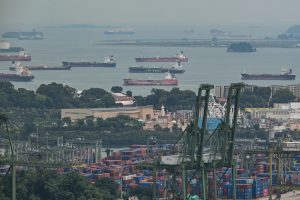
Countries have a shared interest in defending international law—even when doing so may create friction with the country violating it.
From the source
Keeping Southeast Asia open for business is a geopolitical task as much as a commercial one. Its relationships across geopolitical divides give companies access to competing powers’ markets, capital, and technology. In 2025, ASEAN attracted a record $243.9 billion in foreign direct investment. But conflict, U.S.-China strategic competition, and economic nationalism threaten these opportunities. Sustaining them requires protecting the security, supplies, and rules underpinning commerce. Governments must de-escalate tensions and, with businesses, understand and address the political objectives behind economic restrictions, assess whether diversification reduces vulnerabilities or creates new ones, and strengthen critical infrastructure. They have a shared interest in defending international law—even when doing so may create friction with the country violating it. Conflict and coercion The U.S. war against Iran has disrupted oil and gas supplies to Southeast Asia, which relies heavily…